Why Is My Hair So Dry and Frizzy in Fall?
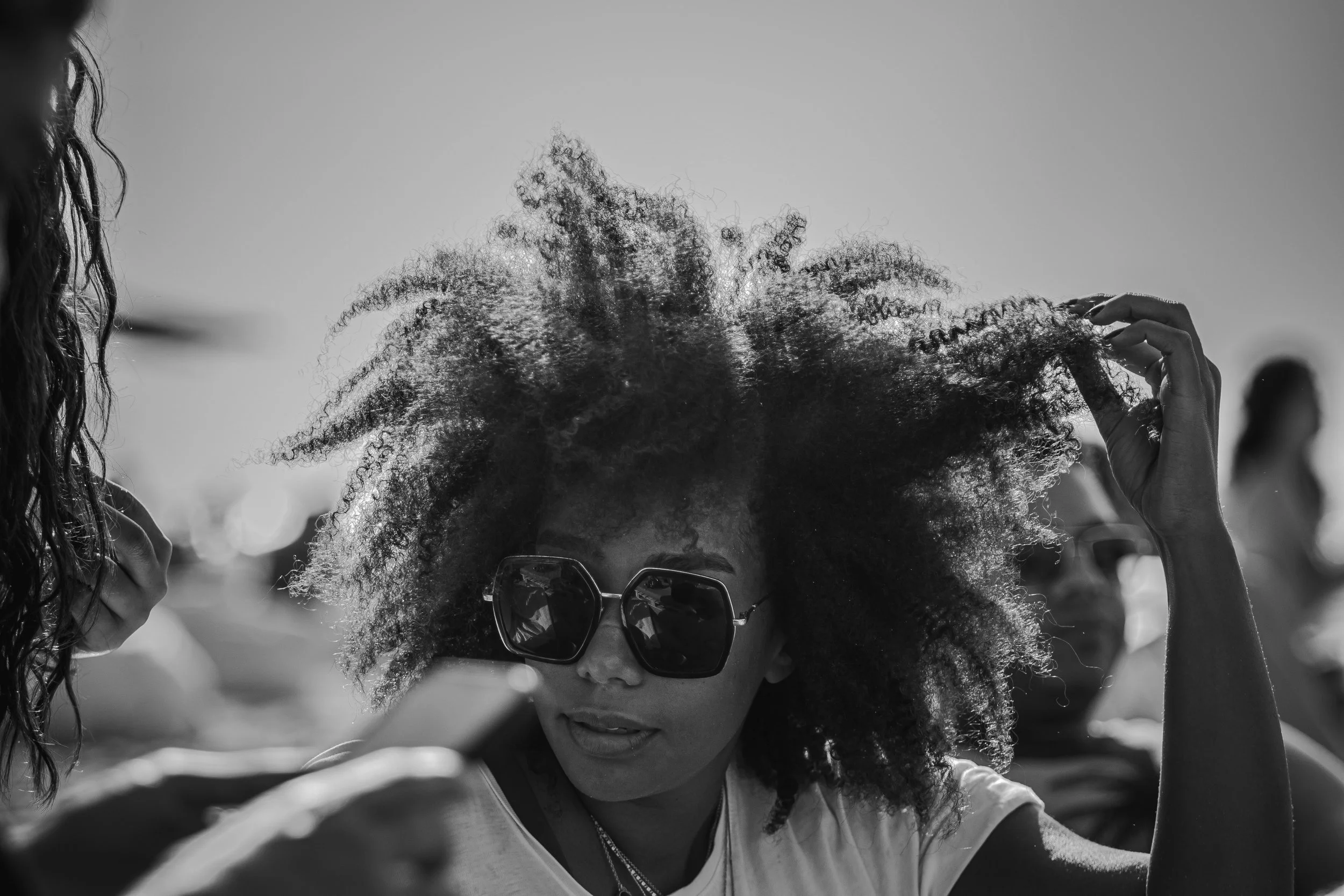
October brings crisp air, colorful foliage, and a noticeable seasonal shift across New England. As temperatures drop in Boston, many people notice subtle changes in their daily routine. You might find your morning styling session taking longer than usual. Your strands may suddenly feel rough, look dull, or cling together with stubborn static electricity.
Experiencing dry hair in fall is a very common concern for men and women throughout the city. Shifting weather patterns disrupt the moisture balance of your hair shaft. Understanding why these seasonal texture changes happen empowers you to protect your hair condition.
Our welcoming spaces serve clients at both our Newbury Street and Westin Copley Place locations. We focus on personalized care to help you maintain soft, healthy, and manageable hair all year long. This guide breaks down the science behind autumn hair dehydration and explores effective solutions for cold weather hair care.
Quick Answer: Hair becomes dry and frizzy in fall because cooler outdoor air holds less moisture than summer air. Turning on indoor heating systems further strips ambient humidity from homes and workplaces. This sudden dry environment lifts the outer hair cuticle, allowing essential moisture to escape. Professional hair treatment Boston options replenish internal hydration, seal the cuticle layer, and eliminate static friction.
Identifying Seasonal Texture Changes in Your Hair
Seasonal hair changes can appear suddenly as October unfolds. Many people notice that products that worked beautifully in August no longer deliver smooth results.
You might notice these common signs of fall moisture loss:
Persistent flyaways and static cling when brushing or wearing autumn scarves.
Rough, coarse texture along the mid-lengths and ends of your hair.
Increased tangling and knotting throughout the day near your collar.
Lack of natural shine, leaving hair looking matte or lackluster.
Expanded volume and uncontrolled frizz when stepping outdoors into cool winds.
Hair that absorbs moisture slowly during washing but dries out rapidly afterward.
Recognizing these subtle cues early helps you adjust your routine before structural damage occurs.
Environmental Causes of Autumn Hair Dehydration
Understanding why frizzy hair in fall occurs requires looking at environmental science and hair structure.
Your hair shaft consists of three primary layers. The outer layer, called the cuticle, acts like overlapping protective shingles. When hair is healthy and well-hydrated, these shingles lay flat. Flat cuticles reflect light, lock in moisture, and create a smooth surface texture.
When autumn arrives in Boston, key environmental factors disrupt this delicate barrier:
1. Dropping Dew Points and Dry Outdoor Air
Summer air in New England is filled with humidity. While high humidity can cause surface swell, it also provides abundant water vapor. As October arrives, ambient humidity levels plunge rapidly. Cool, dry air actively pulls moisture out from porous hair fibers. Without adequate surface lipid protection, water evaporates from the inner cortex.
2. Indoor Heating and Thermal Shock
Turning on central heating systems in homes, offices, and subways lowers indoor humidity even further. Moving constantly between chilly outdoor winds and warm, dry indoor spaces creates thermal shock. This rapid temperature fluctuation causes the hair shaft to expand and contract repeatedly. The outer cuticle lifts, allowing critical hydration to escape into dry indoor air.
3. Friction from Autumn Fabrics
Cooler weather brings wool coats, heavy scarves, and knitted hats. Continuous friction between dry hair strands and rough clothing fibers creates static charge. This static pushes individual strands apart, compounding the appearance of frizz and flyaways.
How Salon Conditioning and MK Botox Treatments Restore Balance
Addressing deep seasonal dehydration requires more than standard rinse-out conditioners. Daily shower conditioners primarily coat the surface layer temporarily. A targeted dry hair treatment Boston service penetrates beneath the cuticle to rebuild structural moisture reserves.
At Street Salon, our experienced team tailors each conditioning and smoothing protocol to your specific hair profile.
Deep Hydrating and Conditioning Therapies
Professional deep conditioning treatments use low-molecular-weight humectants, plant-derived lipids, and essential amino acids. These concentrated formulas penetrate into the inner cortex layer. They restore water content, improve elasticity, and reinforce weak structural bonds.
Protective Cuticle-Sealing Glazes
A professional gloss or glaze service seals the hair cuticle layer shut. By coating each strand in a sheer, protective barrier, a gloss locks internal moisture inside. It also smooths down raised cuticle edges, restoring brilliant shine and light reflection.
If you recently updated your shade with balayage or highlights for fall, pairing your color with a gloss treatment preserves brilliance and guards against seasonal dryness.
MK Botox Hair Treatments and Advanced Smoothing
For hair experiencing persistent frizz, porous damage, or unmanageable texture, advanced smoothing treatments offer transformative relief. An MK Botox hair treatment is a specialized, deep-rebuilding therapy. It infuses depleted hair fibers with essential proteins, natural collagen, keratin, and nourishing vitamins.
Unlike harsh chemical relaxers, MK Botox hair treatments do not alter your natural curl pattern or break structural bonds. Instead, the formula fills in microscopic gaps along damaged hair shafts. This process smooths rough cuticles, eliminates stubborn static, and restores silky manageability. It provides an ideal solution for anyone seeking effortless cold weather hair care.
Anticipated Outcomes from Professional Moisture Therapies
Investing in a professional hair treatment Back Bay experience delivers immediate and practical improvements to your daily routine.
You can expect the following key outcomes:
Restored Softness: Depleted strands regain natural flexibility, bounce, and a silky tactile feel.
Frizz and Static Elimination: Sealed cuticles prevent atmospheric moisture loss and repel static electricity.
Enhanced Shine and Radiance: Smooth cuticle surfaces reflect ambient light for a healthy, polished finish.
Reduced Daily Styling Time: Balanced, hydrated hair responds more smoothly to blow-drying and gentle heat tools.
Extended Color Longevity: Properly moisturized hair holds color molecules more effectively, preventing premature fading.
Ideal Profiles for Autumn Hair Hydration
Seasonal conditioning treatments support all hair types, but certain hair profiles benefit particularly well from autumn intervention.
A salon hair treatment is especially helpful if you have:
Color-Treated or Bleached Hair: Chemical processing increases hair porosity, making strands vulnerable to autumn dryness.
Naturally Wavy, Curly, or Coily Textures: Curved hair shafts have naturally raised cuticles that lose moisture quickly in dry air.
Fine or Static-Prone Hair: Fine hair strands accumulate static charges easily, leading to persistent autumn flyaways.
Long Hair: The ends of long hair have experienced years of environmental exposure and require extra hydration.
Heat-Styled Hair: Regular blow-drying or flat-iron use removes natural moisture that needs replenishment in fall.
Knowing what to prioritize makes a noticeable difference when choosing a hair salon in Boston that offers tailored seasonal treatments.
The Salon Experience for Restorative Hair Care
Visiting our salon for a dry frizzy hair treatment follows a calm, consultative approach focused on your comfort:
In-Depth Consultation: Your stylist evaluates your scalp health, hair porosity, texture, and current daily habits.
Clarifying Preparation Wash: We gently cleanse your hair to remove residual product buildup and hard water minerals. This allows active treatment ingredients to penetrate deeply.
Custom Treatment Application: Your stylist applies the chosen hydrating mask, gloss formula, or MK Botox treatment evenly from mid-lengths to ends.
Gentle Processing: The formula processes under gentle, controlled warmth or a protective cap to maximize deep penetration.
Cuticle-Sealing Rinse: We rinse the hair thoroughly with cool water to seal the cuticle and trap nutrients inside.
Precision Blow-Dry: Your provider styles your hair using lightweight heat protectants, leaving your strands soft and smooth.
Featured Snippet Opportunities
Indicators Your Hair Needs Fall Hydration
Hair feels rough, brittle, or straw-like to the touch.
Brushing creates excessive static electricity and flyaways.
Strands tangle easily around scarves and coat collars.
Natural curls or waves lose their definition and look fuzzy.
Hair lacks natural shine and looks dull in ambient light.
Primary Advantages of Salon Conditioning
Deeply penetrates the hair cortex to restore lost hydration.
Seals the outer cuticle layer against dry indoor air.
Eliminates cold weather static and persistent surface frizz.
Protects hair elasticity to prevent seasonal breakage.
Streamlines morning styling routines with minimal effort.
Essential Home Care Practices for Autumn
Switch to a sulfate-free, hydrating shampoo during cooler months.
Use a weekly intensive moisture mask at home between salon visits.
Apply a lightweight hair oil to ends before wearing wool hats or scarves.
Run a cool-mist humidifier in your bedroom to restore air moisture.
Lower the shower water temperature slightly to avoid stripping natural oils.
Frequently Asked Questions
Why does my hair get so dry and frizzy in the fall?
Fall air holds significantly less moisture than summer air. Combined with indoor heating systems, this dry environment pulls hydration out of the hair shaft. As the outer cuticle lifts and loses moisture, hair becomes frizzy, dull, and prone to static.
How often should I get a dry hair treatment in Boston during fall?
We recommend booking a professional conditioning or gloss treatment every four to six weeks during autumn and winter. For longer-lasting smoothing like an MK Botox hair treatment, results typically maintain manageability for two to three months with proper home care.
Will a deep conditioning treatment make fine hair look flat?
No, a professionally selected treatment will not weigh down fine hair. Experienced stylists tailor the formula and application technique to your exact hair density, placing rich moisture on dry ends while keeping roots light and bouncy.
What is the difference between a deep conditioner and an MK Botox hair treatment?
A deep conditioner provides temporary surface hydration and moisture replenishment lasting a few washes. An MK Botox hair treatment is an intensive, semi-permanent smoothing therapy that fills structural gaps in damaged hair fibers, delivering long-term frizz reduction and shine.
How can I prevent static hair when wearing sweaters and hats?
Static occurs when dry hair rubs against synthetic or wool fabrics. You can prevent static by keeping hair deeply hydrated with professional treatments, using a leave-in conditioner, and applying a drop of hair oil to your ends before putting on hats or scarves.
Protect Your Hair Moisture at Street Salon Boston
Transitioning your hair care routine for autumn should feel simple, restoring, and enjoyable. Our experienced providers combine advanced technical skill with attentive consultations to protect your hair health through every season.
You can explore our full range of conditioning, smoothing, and styling options by visiting our hair treatment menu. To prepare for a seamless consultation with your stylist, review our tips on how to communicate with your stylist for the perfect haircut. When you are ready to give your hair the hydration it needs this fall, connect with our team to reserve your appointment today.
