
Taper vs. Fade: Which Men’s Haircut Is Right for You?
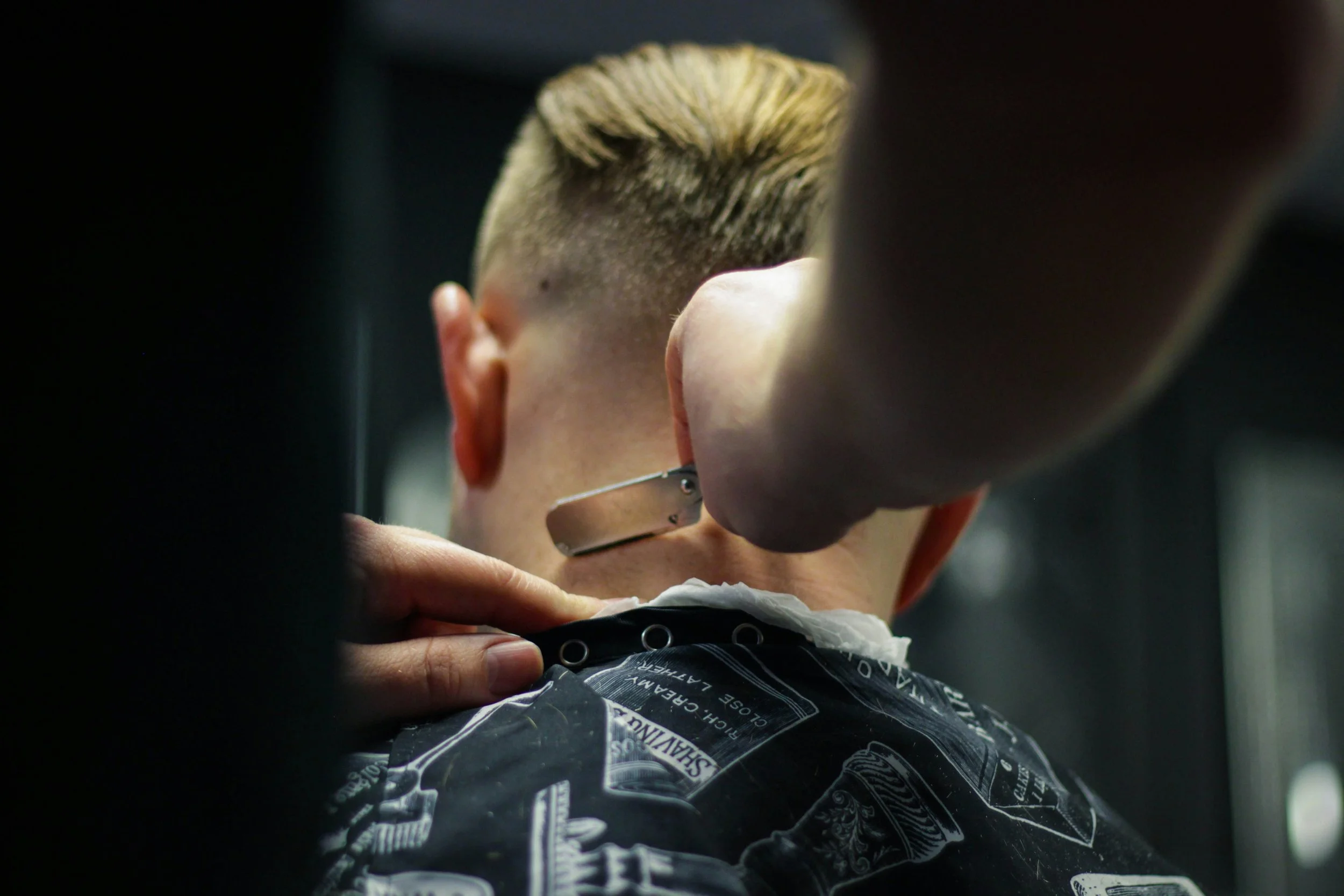
August marks a natural grooming reset across Boston. As summer vacations wrap up, people prepare for back-to-school routines and more structured work schedules. Transitioning into fall requires a reliable style that looks sharp with minimal effort. Choosing between a taper vs fade haircut is one of the most common decisions men face before booking a service. While both options offer clean lines, they differ significantly in structure, contrast, and upkeep.
Understanding these differences helps you communicate clearly with your provider. Whether you need a polished look for the office or a low-maintenance cut for daily activities, selecting the right haircut helps you look and feel your best. This guide breaks down the key characteristics of tapers and fades so you can choose the ideal style for your daily life.
A taper gradually shortens hair specifically at the sideburns and neckline while preserving the natural outline behind the ears. A fade continuously blends hair shorter around the entire back and sides, often tapering down to the skin. Choosing between a taper vs fade haircut depends on your desired contrast, work environment, and maintenance routine.
Common Grooming Challenges & Confusion
Sitting in a barber chair without total clarity often leads to unexpected results. Many clients request a fade haircut Boston barbers perform, only to realize it takes off more length than anticipated. Others ask for a simple trim when they actually want a high-contrast blend.
You might find yourself navigating these common situations:
Uncertainty regarding the exact visual difference between a taper haircut Boston services offer and a traditional fade.
Concern that a high-contrast skin fade Boston style might feel too bold for a conservative corporate environment.
Frustration when a haircut grows out unevenly or loses its clean shape within a few days.
Difficulty explaining the specific height or length you want along the sides of your head.
Hesitation to try a new barber Boston service without knowing how much daily styling is required.
Addressing these foundational questions early helps you collaborate effectively with your stylist or barber.
Why Haircut Terminology Gets Confusing
Confusion around men's haircuts usually stems from overlapping terminology and differing structural techniques. Hair density, scalp shape, and hair growth directions vary significantly from person to person.
A taper alters specific focal points along the hairline while preserving the perimeter shape. A fade alters the entire perimeter line around the lower half of the head. When a provider uses clippers without a clear understanding of your daily routine, the resulting shape may not align with your expectations.
Local environmental factors in Boston also play a role. Humidity in late summer and shifting fall weather affect hair volume and texture. Selecting a cut that works with your natural hair behavior minimizes morning styling friction. At Street Salon, our skilled team clarifies these structural details during your consultation to ensure a predictable outcome.
Defining the Taper vs. the Fade
The Taper Haircut
A classic taper focuses on two primary areas: the sideburns and the nape of the neck. The hair starts longer near the top of the head and gradually decreases in length down to those two points.
Key characteristics of a taper include:
Preserves natural hair coverage around and behind the ears.
Offers a subtle, classic transition that suits traditional workplaces.
Keeps full density across the sides while cleaning up the edges.
Pairs exceptionally well with longer tops, pompadours, or textured crops.
The Fade Haircut
A fade is a more dramatic blend that circles the entire head. The hair continuously tapers down from the top toward the ears and neckline, often blending into very short length or bare skin.
Key characteristics of a fade include:
Eliminates natural hair growth lines around the ears and lower scalp.
Creates a sharp, high-contrast visual effect.
Offers several height variations, including low, mid, and high placement.
Requires regular upkeep to maintain its crisp finish.
Taper vs. Fade: Key Differences
Coverage and Contrast
A taper leaves hair intact around the ears, providing a continuous outline along the natural hairline. A fade removes hair entirely around the lower perimeter, creating a gradient effect that blends into the skin.
Maintenance Requirements
Fades require frequent touch-ups because short hair growth shows quickly along the skin line. Tapers grow out more gracefully, allowing for longer gaps between salon visits.
Professional Versatility
Tapers offer a subtle finish that seamlessly transitions from creative settings to formal executive suites. Fades provide a modern, athletic look that appeals to those who prefer sharp, geometric lines.
Popular Variations of the Fade
Low Fade
A low fade begins its transition just above the ear and nape. It provides a subtle touch of contrast while keeping most of the sides darker and fuller.
Mid Fade
A mid fade starts near the temple line or midpoint of the head. It offers a balanced look that combines clear contrast with approachable styling.
High Fade
A high fade starts near the crown or upper corners of the forehead. It creates a bold contrast between the top length and the ultra-short sides.
Skin Fade
A skin fade Boston clients frequently choose blends the hair entirely down to the bare skin. This precision technique delivers a crisp line that stands out.
Upkeep and Growth Expectations
Skin Fades and High Fades: These offer peak freshness for seven to ten days. Most clients book maintenance appointments every two weeks.
Mid and Low Fades: These maintain their intended shape for two to three weeks before the outline softens.
Classic Tapers: These provide strong longevity, remaining structured for four to six weeks. The natural perimeter allows the hair to grow out evenly.
Choosing the Ideal Style for Your Routine
When to Choose a Taper
You prefer a classic, understated appearance that looks professional in any setting.
You visit your provider once a month or less.
You wear longer hairstyles on top that require continuous weight on the sides.
You want a simple, low-maintenance routine for your morning schedule.
When to Choose a Fade
You prefer high-contrast, modern silhouettes with clean perimeter lines.
You maintain a consistent grooming routine every two weeks.
You enjoy athletic or structured aesthetics that showcase clean clipper work.
You live an active lifestyle and want minimal hair touching your ears or neck.
What to Expect During Your Barbering Session
Visiting our welcoming space for a men's barber Back Bay experience follows a clear sequence:
Personalized Evaluation: Your provider reviews your hair density, natural growth patterns, and face structure. We discuss your daily habits and lifestyle needs to determine whether a taper or fade fits best.
Precision Execution: Your provider utilizes specialized clipper guards, shears, and detailing tools to craft a smooth transition.
Detailing and Edging: We clean up the hair around the ears, neckline, and sideburns to ensure clean alignment.
Hot Towel Finish: A warm towel treatment refreshes the skin and helps soothe the scalp after detail work.
Styling and Product Recommendations: Your provider applies lightweight pastes, clays, or pomades to complete the look and demonstrates simple home styling techniques.
Transition Your Style for Fall
Updating your haircut for August establishes a refined foundation for the upcoming fall season. Whether you choose a classic taper or a precision fade, clarity during your consultation ensures an outcome tailored to your lifestyle.
Our team at Street Salon focuses on high-end technique and thoughtful communication. You can step into your daily routine knowing your look is polished and straightforward to maintain.
Frequently Asked Questions
What is the main difference in a taper vs fade haircut?
A taper shortens hair only at the sideburns and neckline while leaving hair intact around the ears. A fade continuously blends hair shorter around the entire circumference of the head down toward the skin or natural hairline.
How often should I book a fade haircut Boston appointment to keep it looking sharp?
We recommend scheduling a fade service every two to three weeks. Because fades blend into short lengths, fresh hair growth becomes noticeable quickly along the sides and back.
Can a skin fade Boston haircut look professional for corporate work environments?
Yes, a skin fade can look very professional when executed with precision. A low or mid skin fade keeps the shortest length close to the bottom perimeter, offering a tailored finish that suits any workplace.
Is a taper haircut Boston barbers perform easier to maintain than a fade?
Yes, tapers generally require less frequent maintenance than fades. Because a taper preserves the natural hair outline around the ears, the hair grows out evenly over four to six weeks without losing its overall shape.
How do I know whether a low, mid, or high fade is right for my head shape?
Your provider evaluates your scalp shape, jawline, and natural hairline during your consultation. A low fade suits longer face shapes, while a high fade helps elongate rounder features.
Refine Your Look at Street Salon Back Bay
Choosing the right men's haircut should feel straightforward and enjoyable. Our experienced providers combine classic barbering techniques with modern styling to bring your vision to life.
You can review our full service options by exploring our barbering and hair menu. When you are ready to prepare your look for the season ahead, connect with our team to book an appointment today.
